

Brazil’s electric-vehicle market is sending a blunt message to the global car industry: even a 35% import tariff has not stopped Chinese-made EVs from taking control of the country’s fastest-growing segment.
Brazil’s EV Boom Has a China Problem
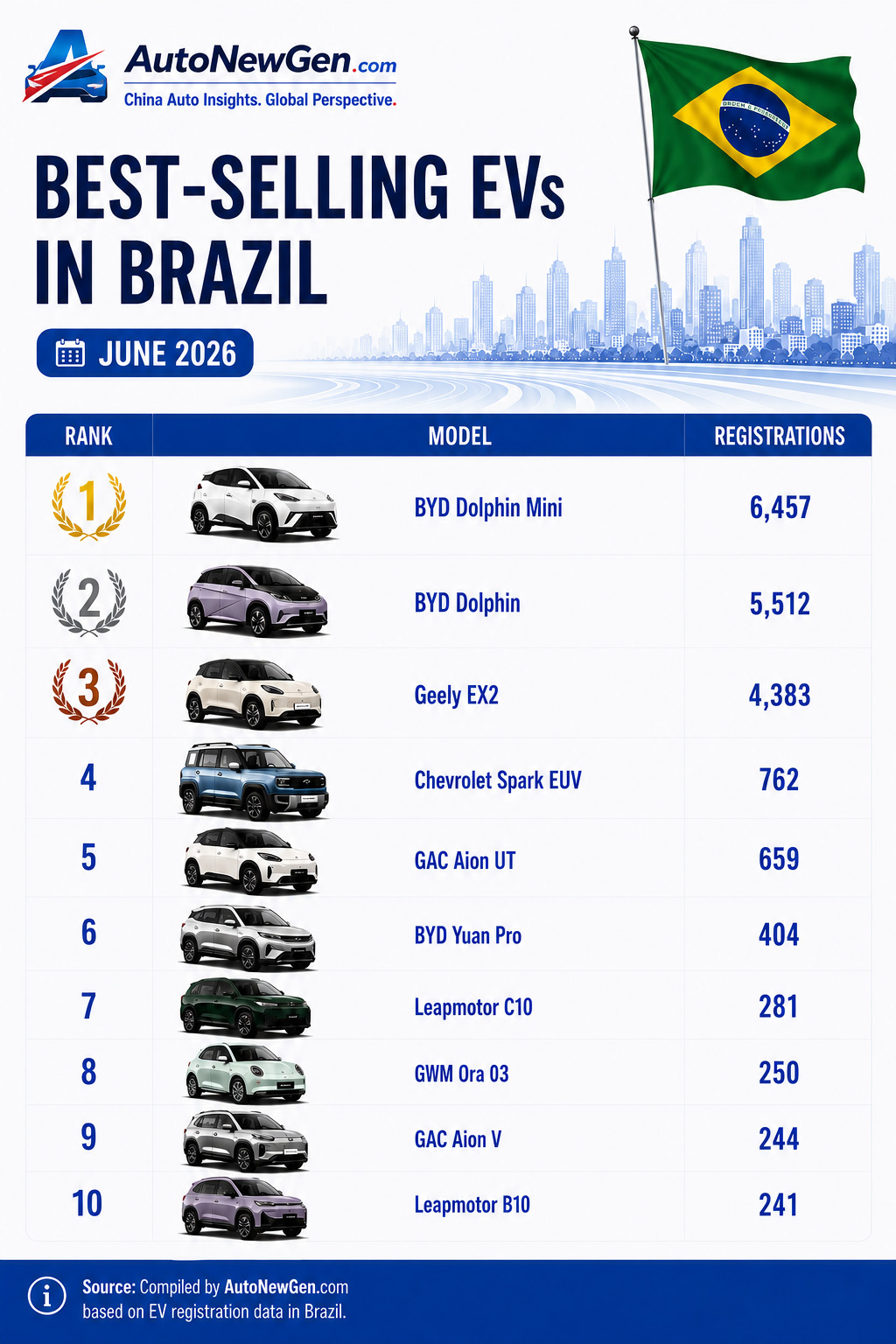
In June 2026, Brazil’s ten best-selling electric vehicles were all made in China. The list was led by BYD’s Dolphin Mini with 6,457 registrations, followed by the BYD Dolphin with 5,512. Geely’s EX2 ranked third with 4,383 units, despite facing Brazil’s steep import barrier.
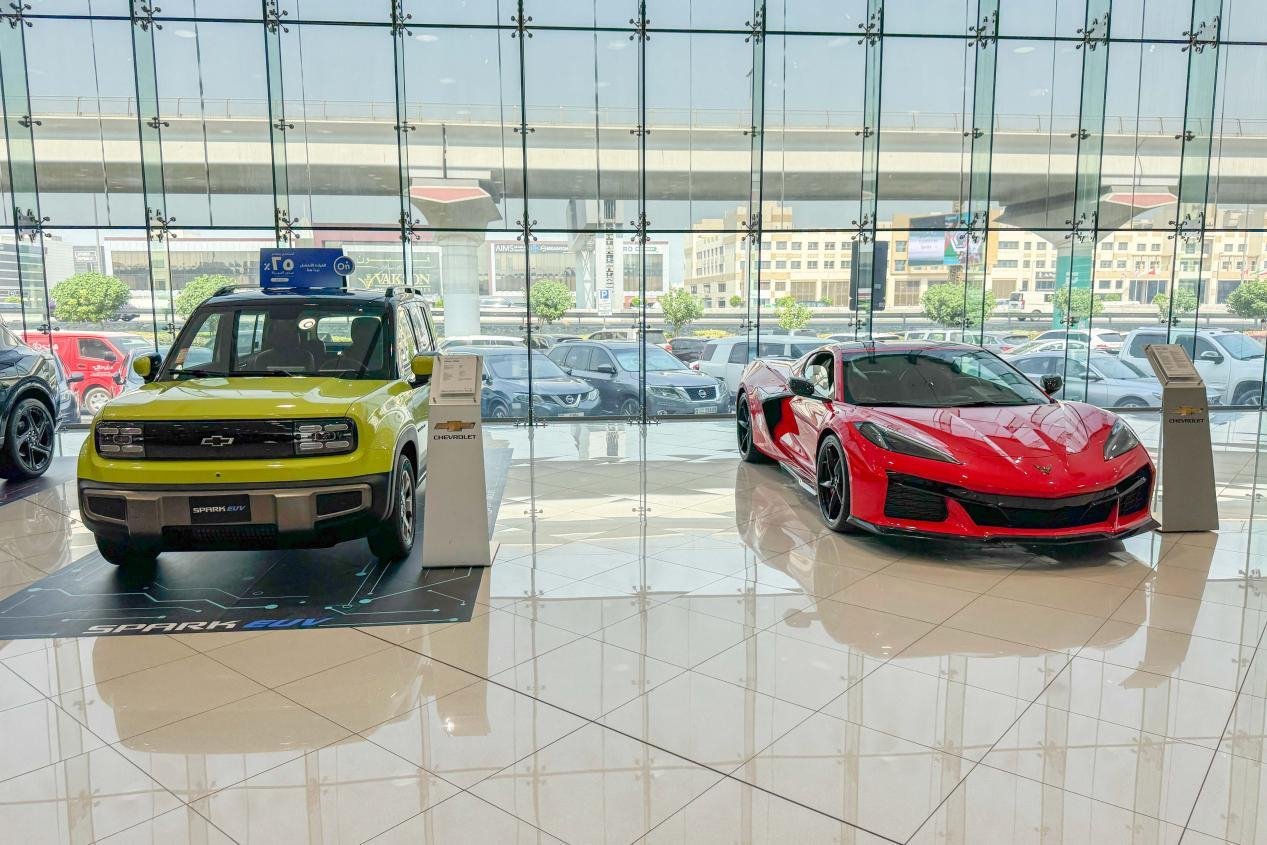
The only model on the list carrying a non-Chinese badge was the Chevrolet Spark EUV. Yet even that tells the same story. The vehicle is widely linked to Chinese-developed EV architecture from the SAIC-GM-Wuling ecosystem, a trend AutoNewGen has previously examined in its report on GM’s Mexico EV strategy: GM’s New Mexico EV Carries a Familiar Chinese Signature.
Geely Follows BYD Into Brazil’s Sweet Spot
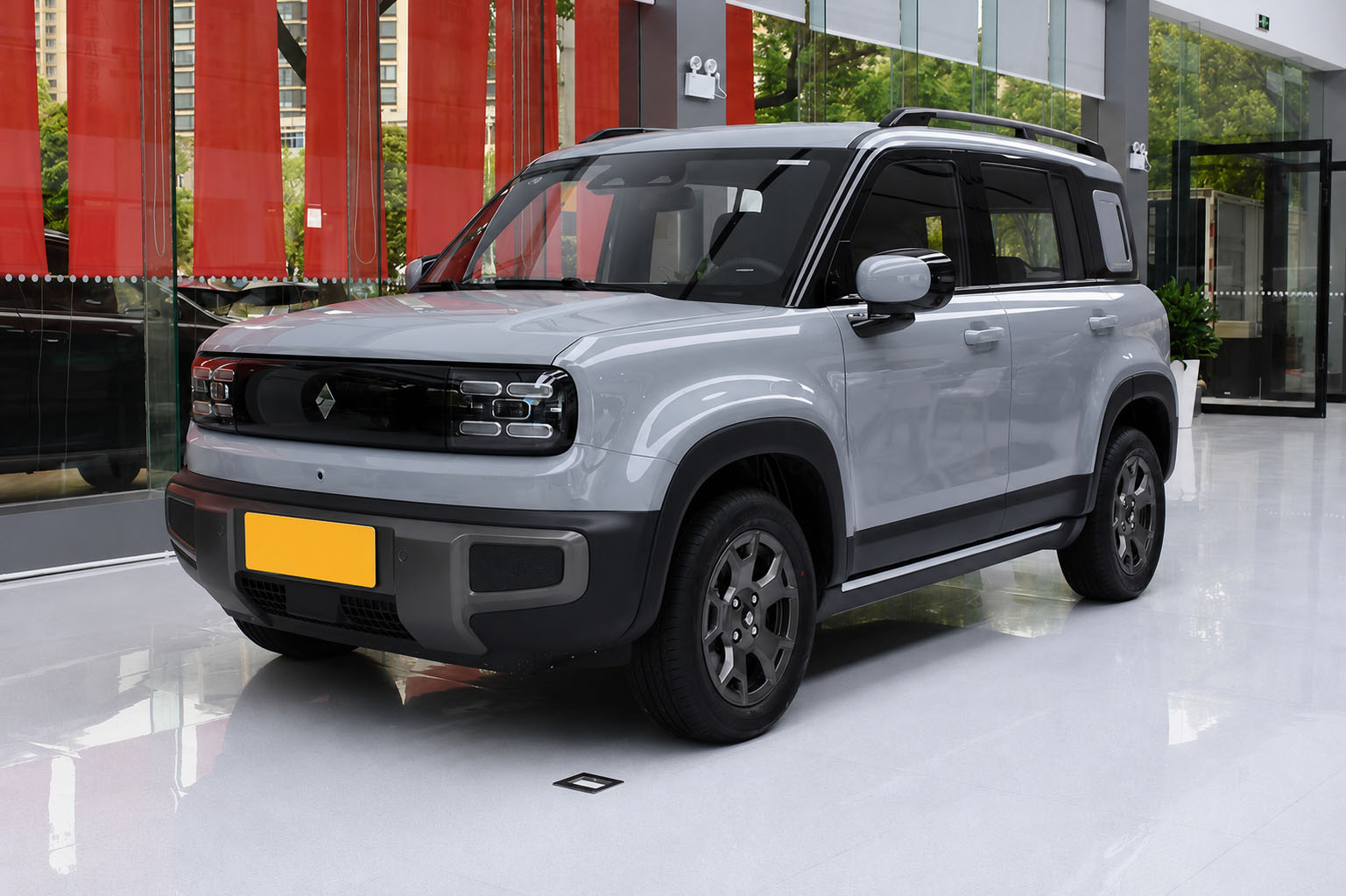
The most revealing number may not belong to BYD, but to Geely. The EX2 has entered Brazil at a sharply lower price point than BYD’s established Dolphin Mini, turning the country into another test of how quickly Chinese brands can undercut each other overseas.
In Brazil, the BYD Dolphin Mini is priced at roughly 149,800 to 169,800 reais, or about $29,000 to $33,000. Geely’s EX2 is priced at about 119,900 to 135,100 reais, or roughly $23,000 to $26,000. That gap gives Geely a clear opening: follow BYD into a market where demand is proven, then attack from below.
It is a familiar Chinese EV playbook, now playing out far from China. BYD builds the category, absorbs the early brand-building costs and proves that local buyers are willing to consider Chinese-made electric cars. Geely then arrives with a cheaper product aimed at the same pool of urban buyers.
The Tariff Is Buying Time, Not Blocking Competition
Brazil’s 35% import tariff was designed to slow the flow of imported vehicles and protect local industrial policy. In practice, it has become more of a speed bump than a wall.
Geely has already moved to reduce that exposure. Its Brazilian production plan with Renault began on June 11, 2026, with local assembly of the EX2 expected to remove the tariff pressure once output scales. Until then, Geely has enough imported supply to keep the model visible: around 35,000 units were exported to Brazil in the first four months, giving the company room to sell while the factory ramps up.
That makes Brazil a case study in how Chinese carmakers are adapting to protectionism. They do not simply ship cars until tariffs rise. They use exports to build demand, then shift production closer to the market once volumes justify the move.
Detroit’s Badge, China’s Supply Chain
The Chevrolet Spark EUV’s fourth-place ranking adds another layer to the story. For consumers, it is a Chevrolet. For the industry, it is evidence that Chinese EV technology is spreading not only through Chinese brands, but also through global badges that remain familiar to local buyers.
This is no longer just about BYD, Geely, GAC, Great Wall or Leapmotor entering new markets under their own names. It is about Chinese platforms, batteries, cost structures and development cycles becoming embedded inside the broader global auto system.
Brazil’s June ranking shows how far that shift has gone. A buyer choosing between the Dolphin Mini, EX2, Spark EUV, GAC Aion UT, BYD Yuan Pro, Leapmotor C10, GWM Ora 03, GAC Aion V and Leapmotor B10 is effectively choosing between different versions of China’s EV supply chain.
Brazil May Be the Next Big Test
Europe has become the political battleground for Chinese EVs. Brazil may become the volume battleground. The country has a large car market, growing interest in electrification and price-sensitive consumers who are less tied to legacy premium branding than buyers in Western Europe.
For traditional automakers, the warning is clear. Chinese companies are no longer waiting for emerging markets to mature before entering. They are shaping those markets early, setting price expectations and forcing rivals to respond on cost, product speed and technology.
Brazil’s top-10 EV chart is more than a sales ranking. It is a snapshot of a global industry being reordered from the bottom up — one compact electric car at a time.