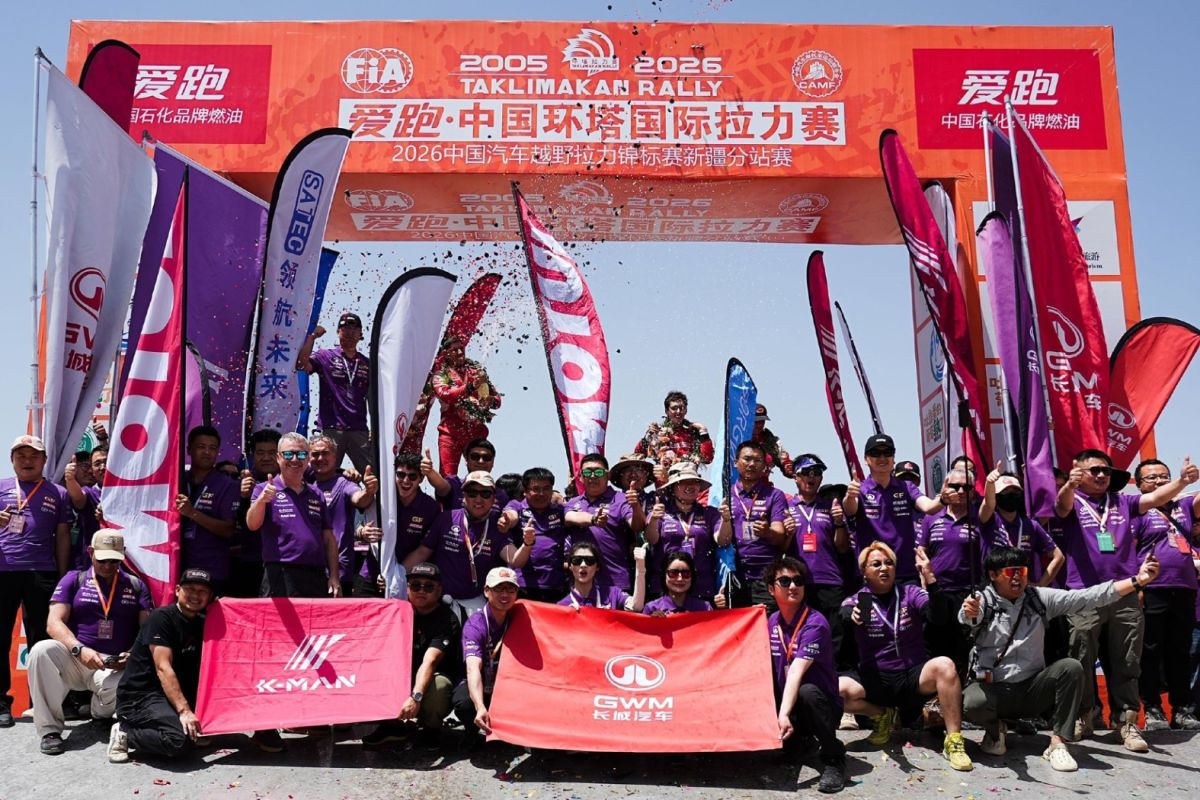
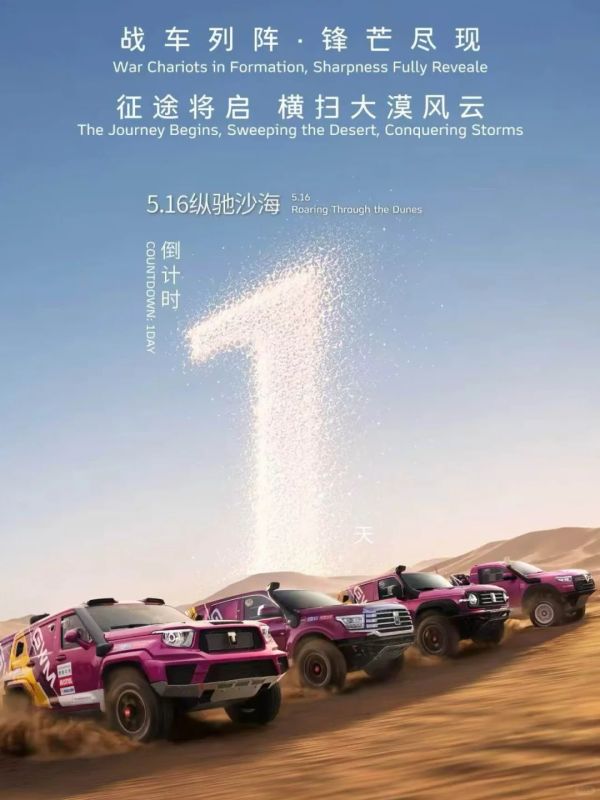
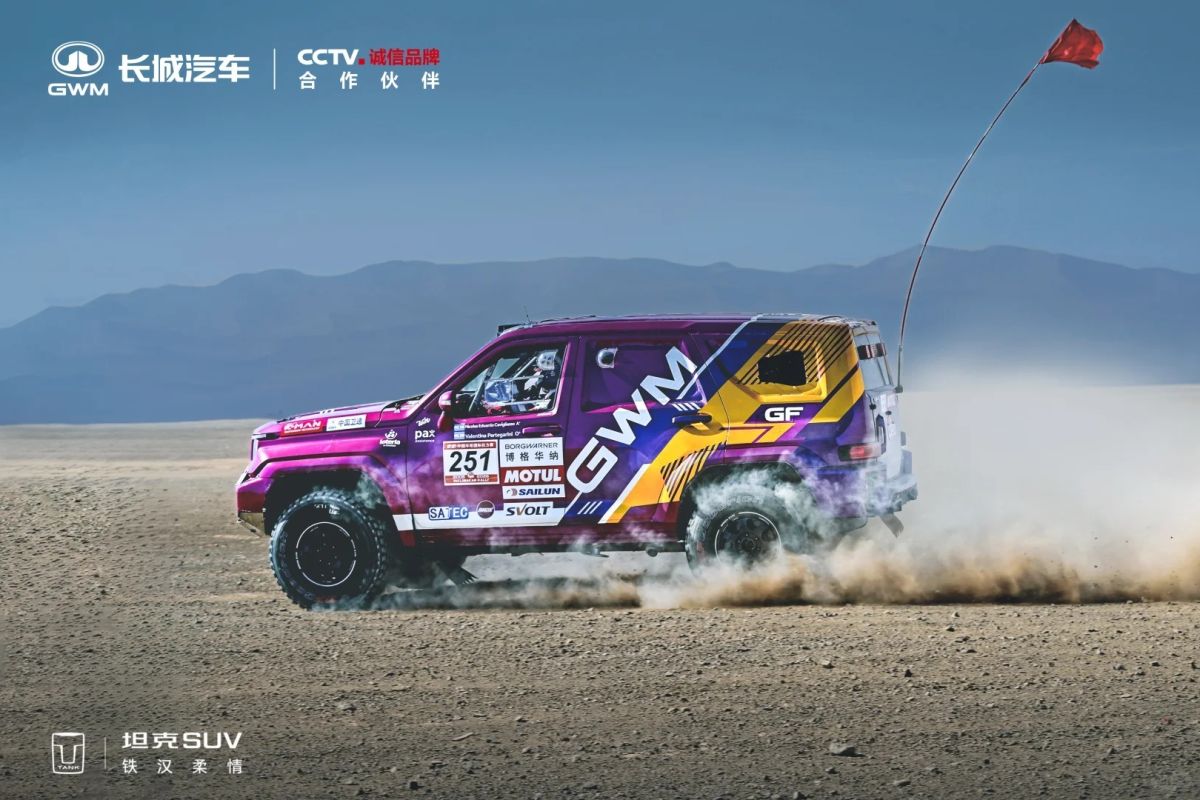
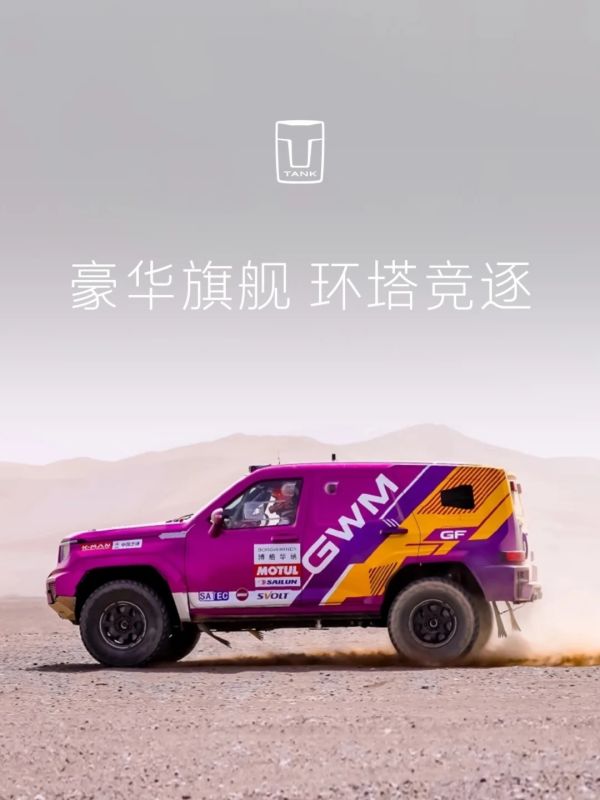
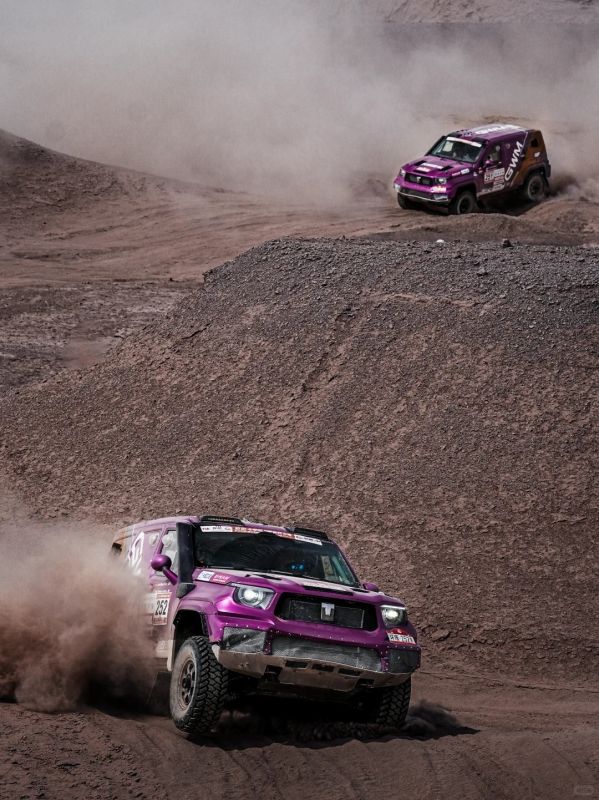
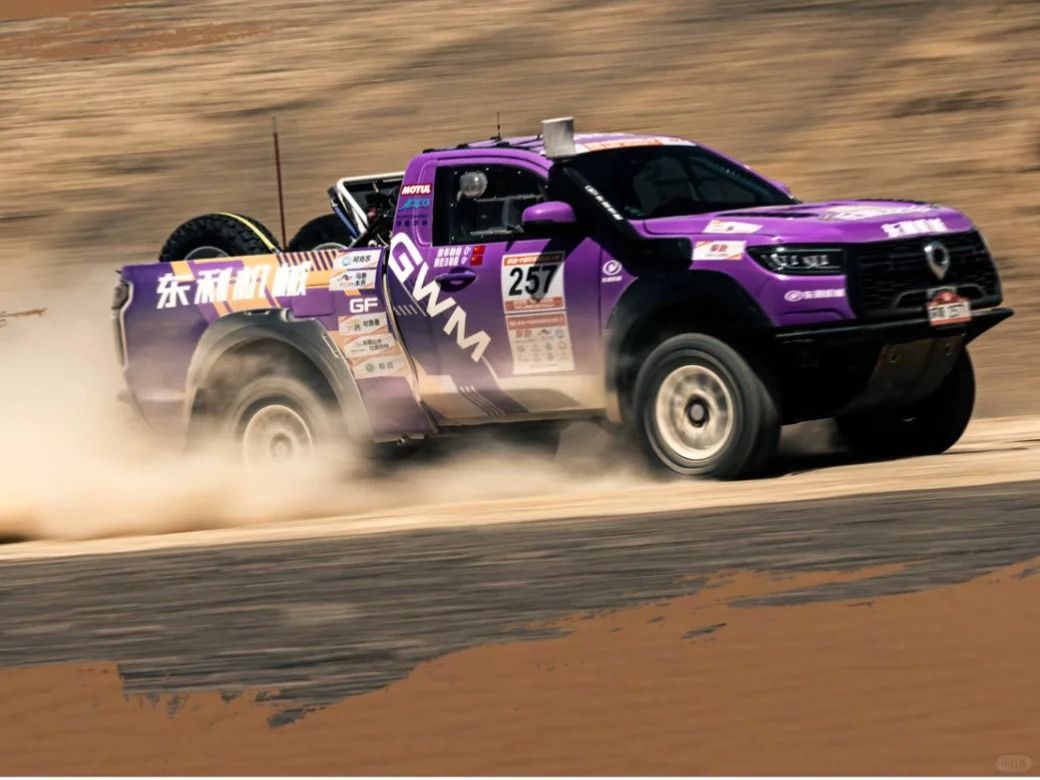
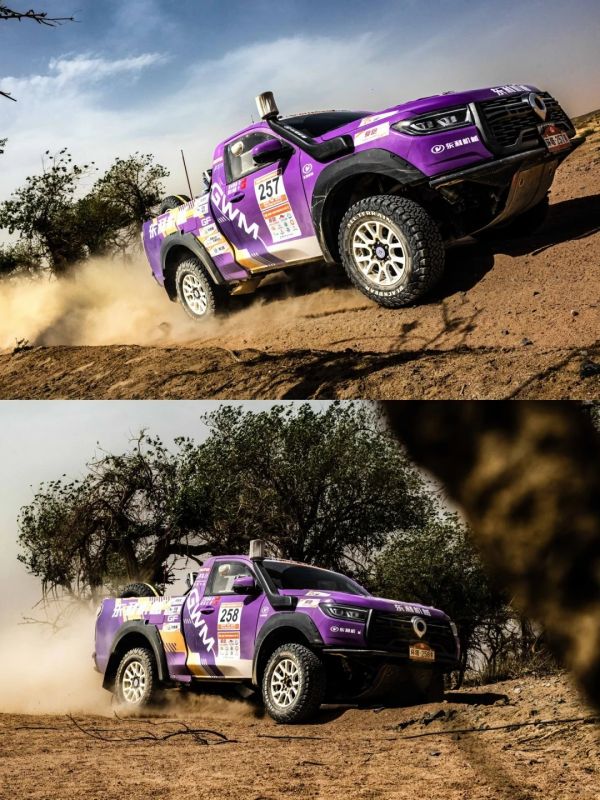
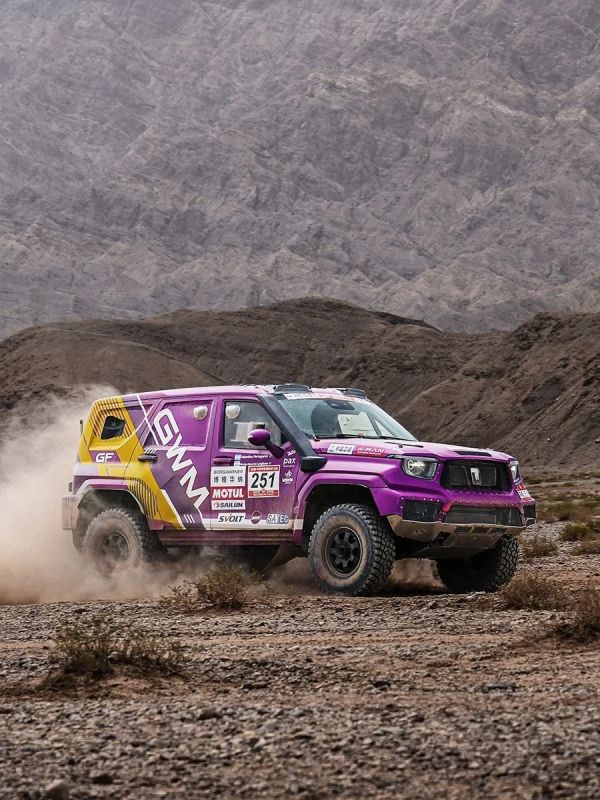
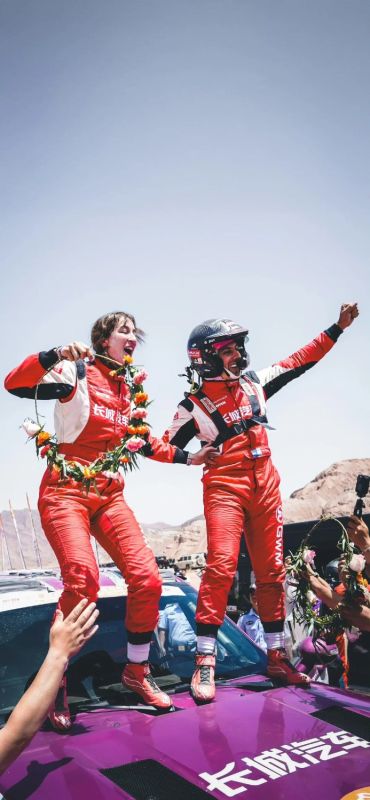
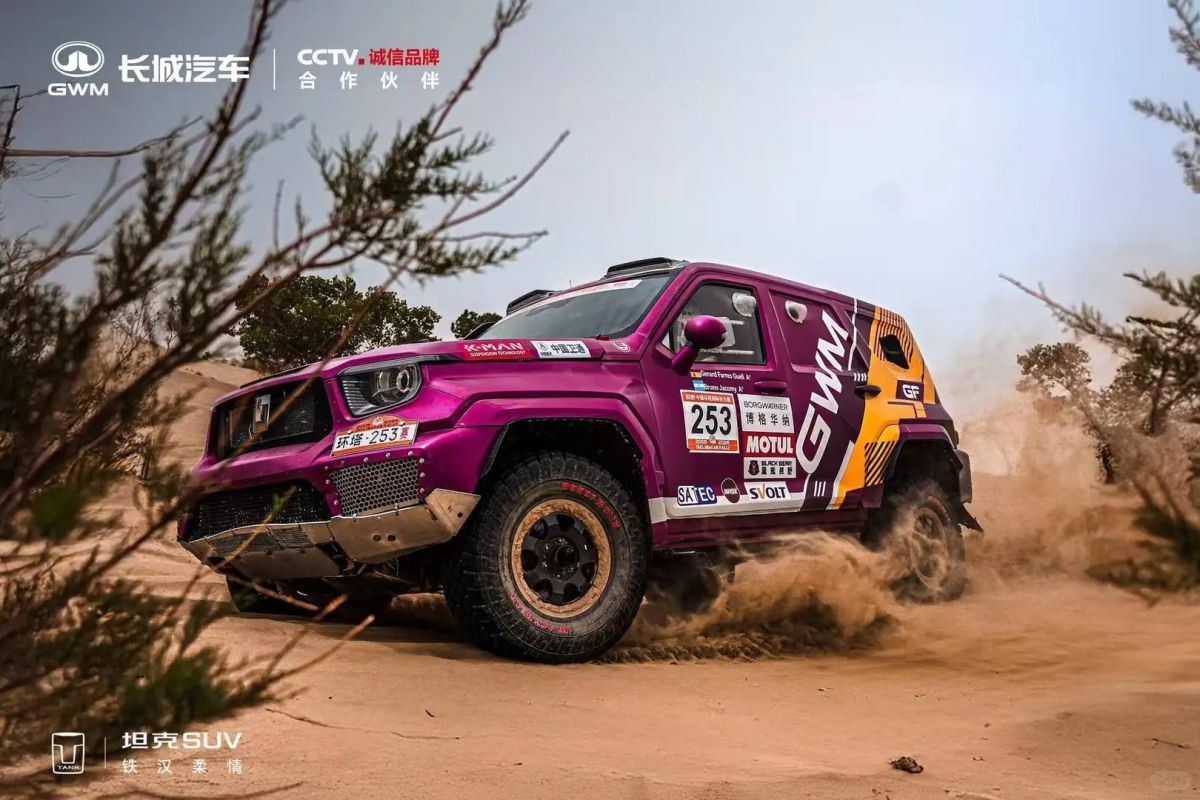
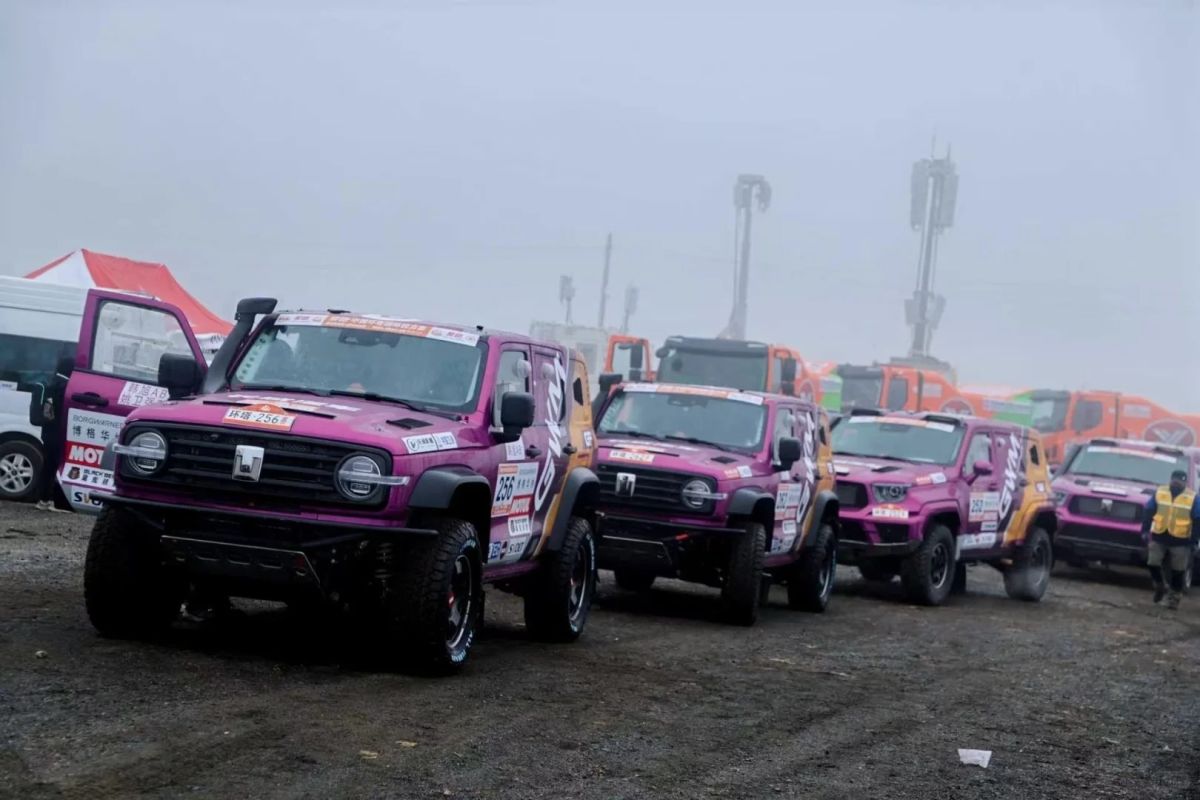
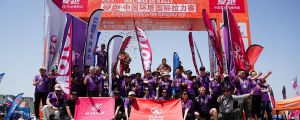

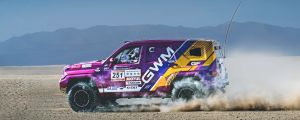
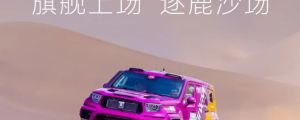
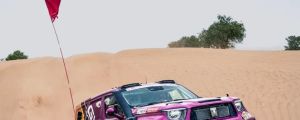
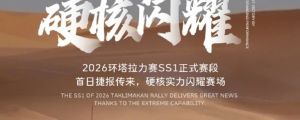
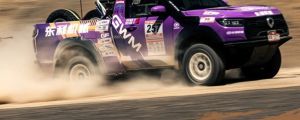
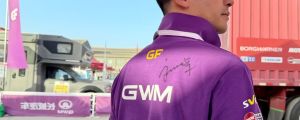
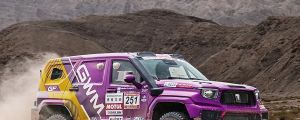

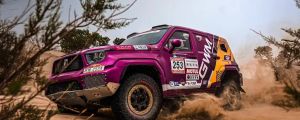

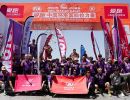
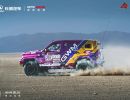
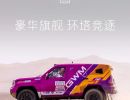
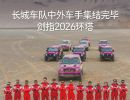
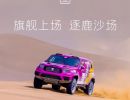
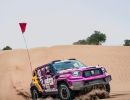
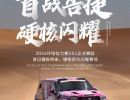
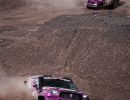
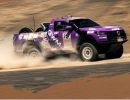
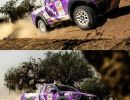



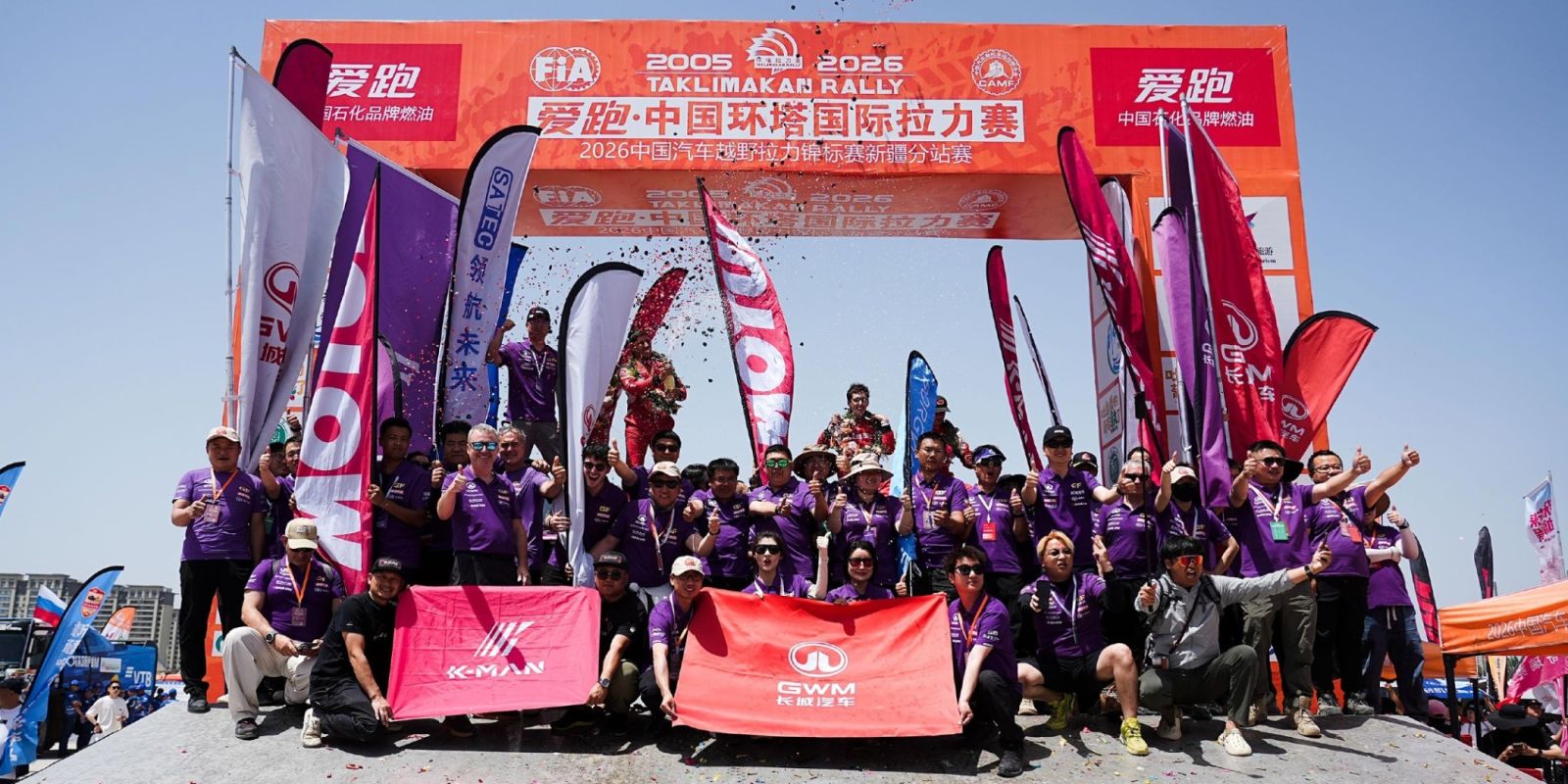
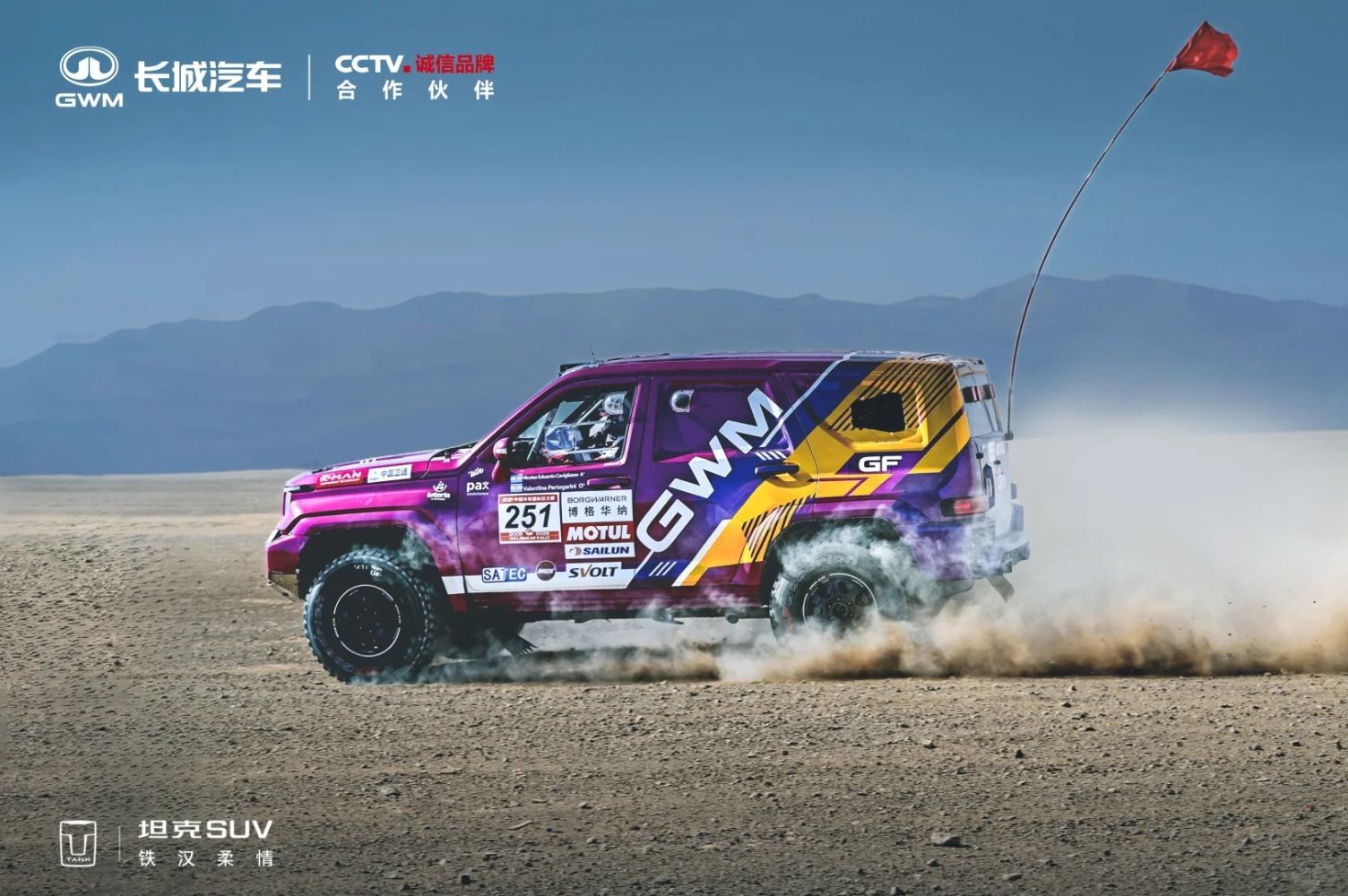
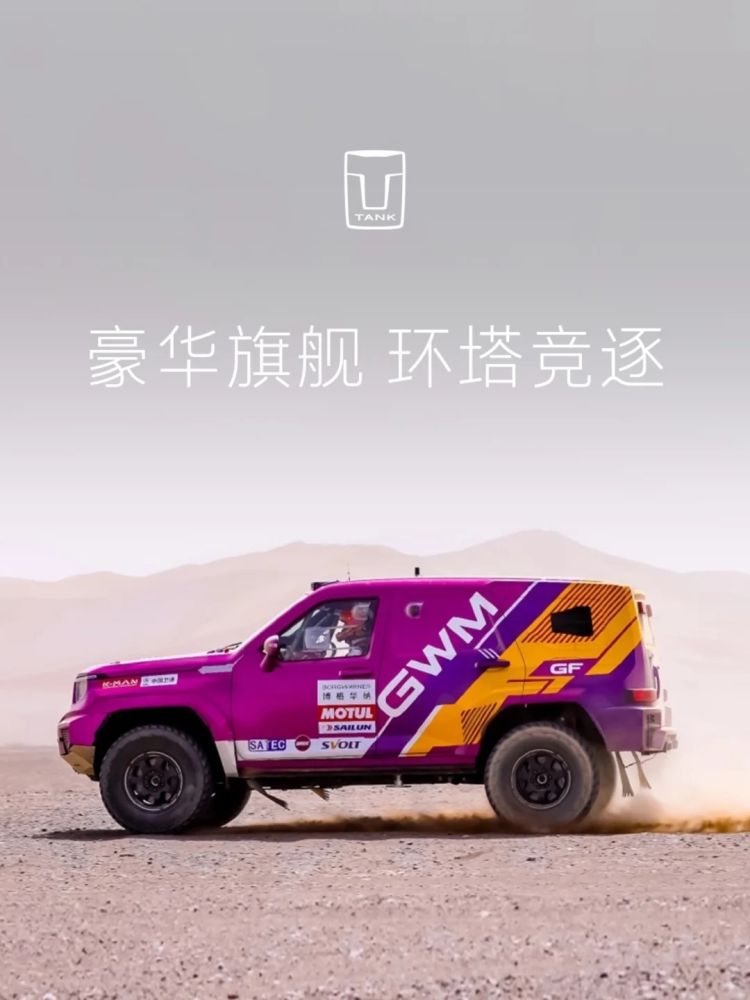
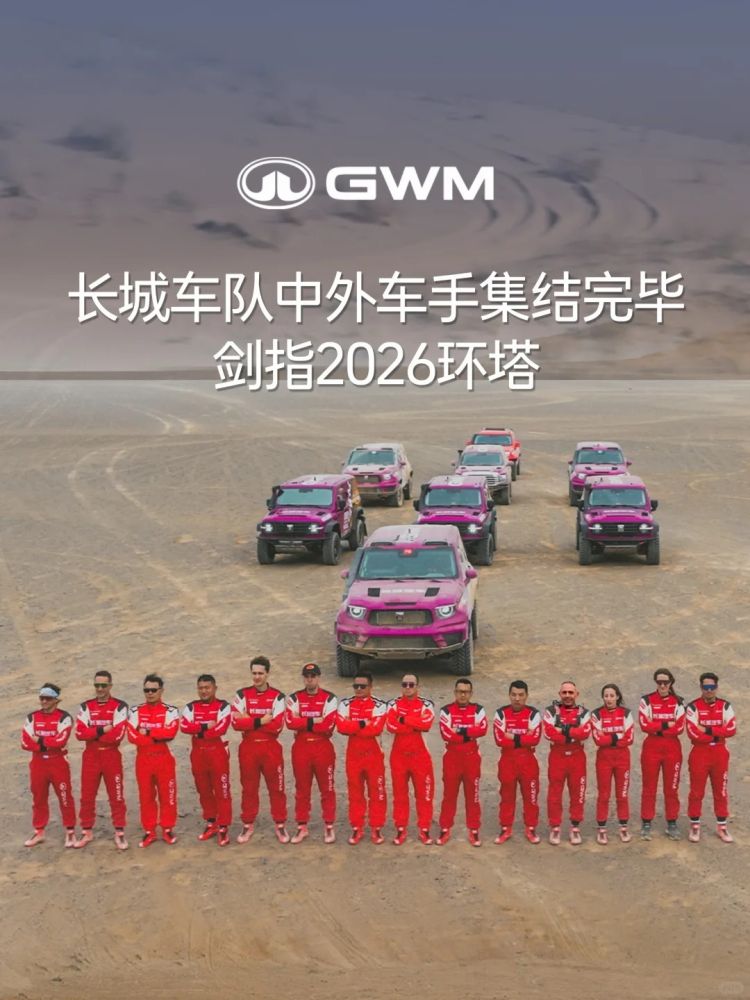
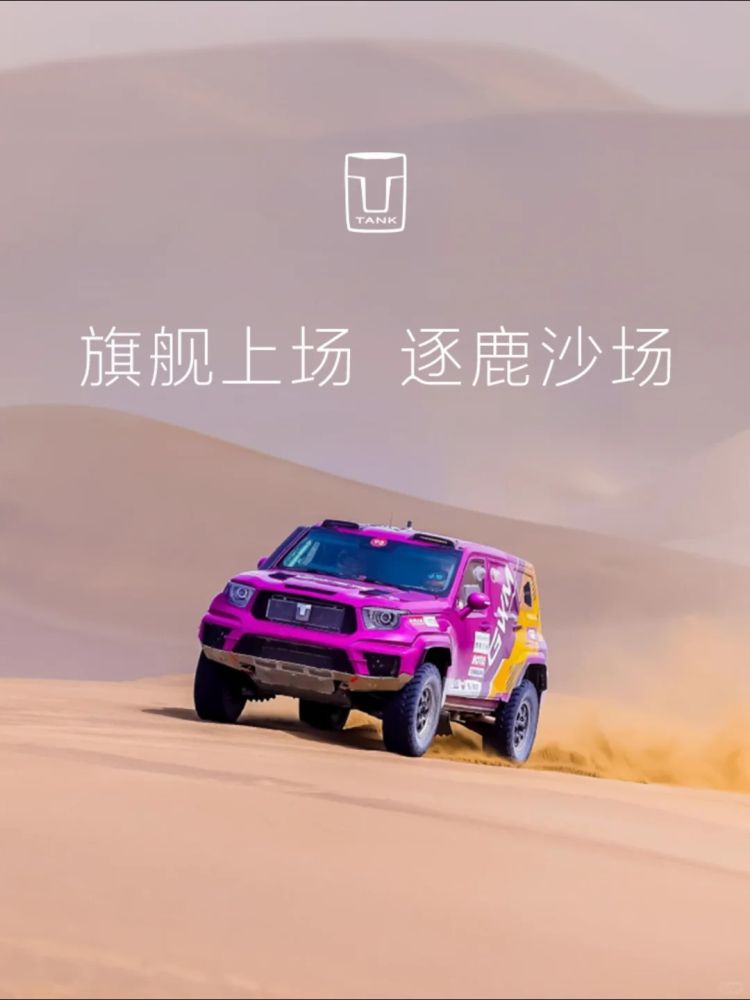
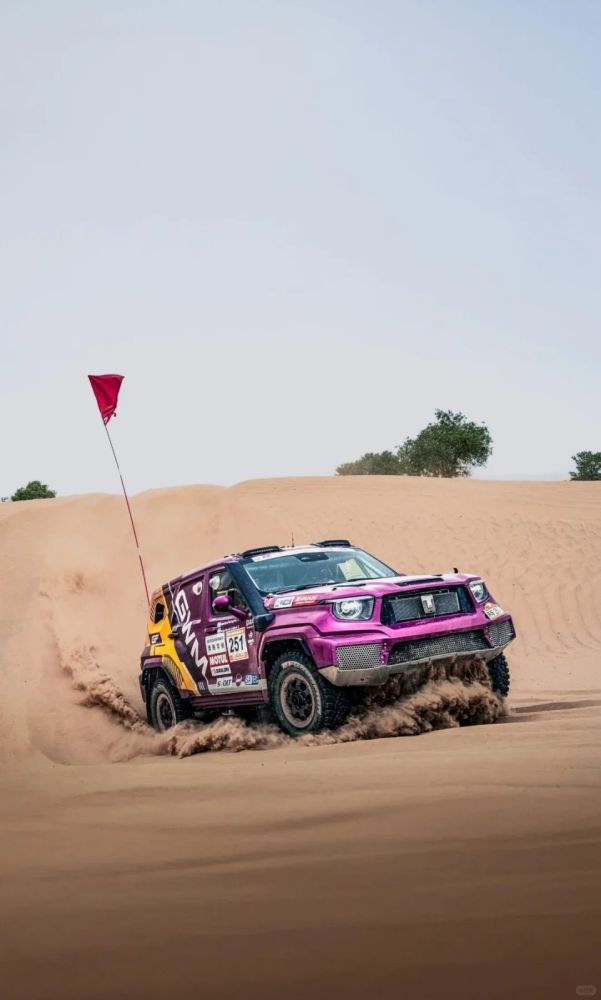
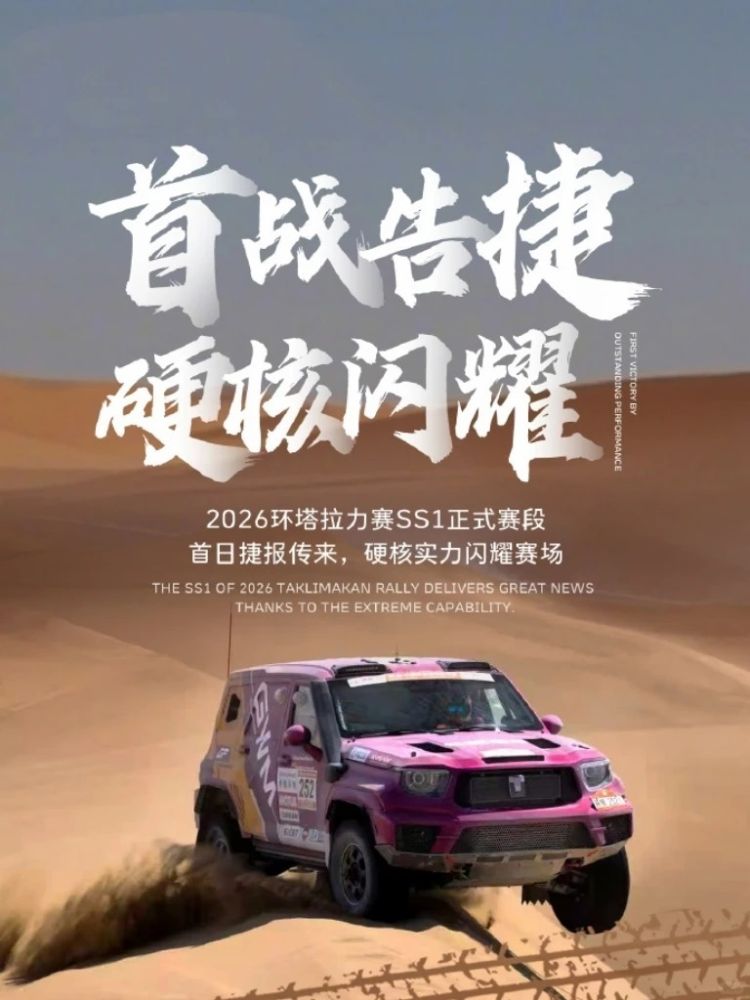
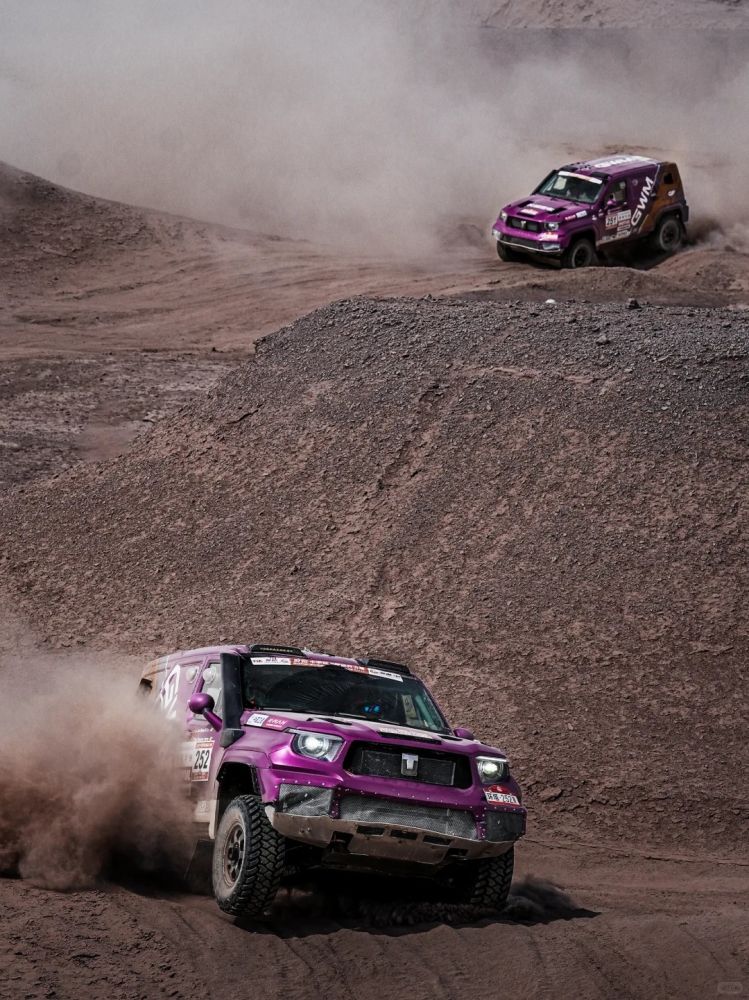
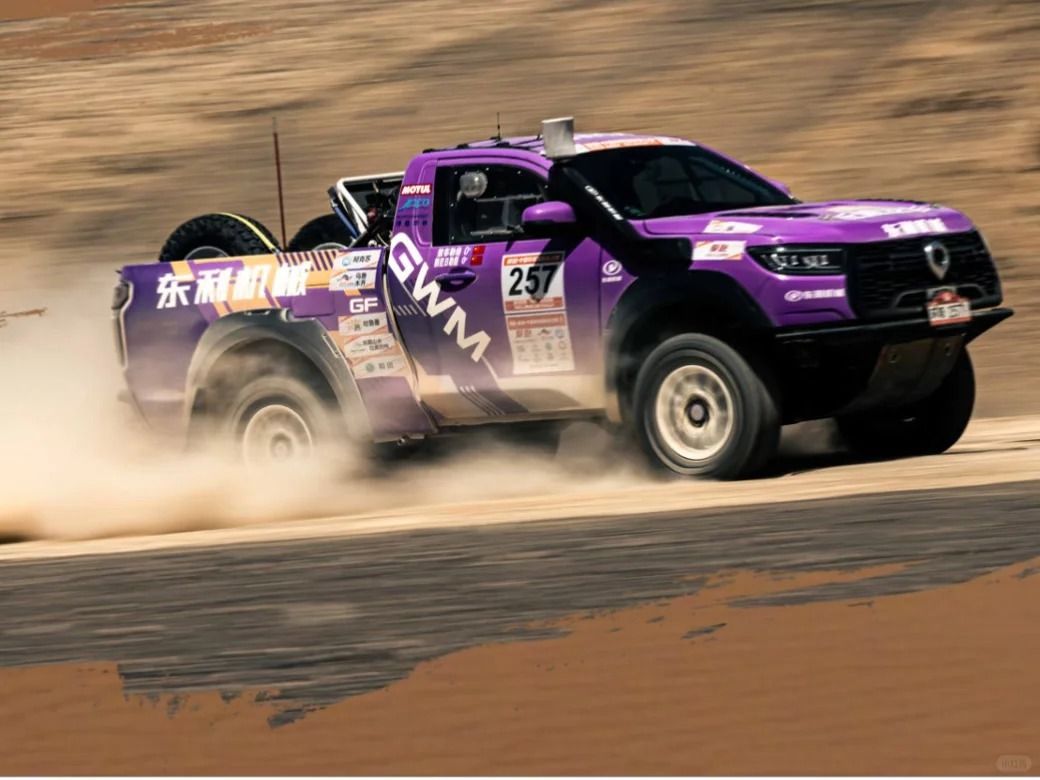
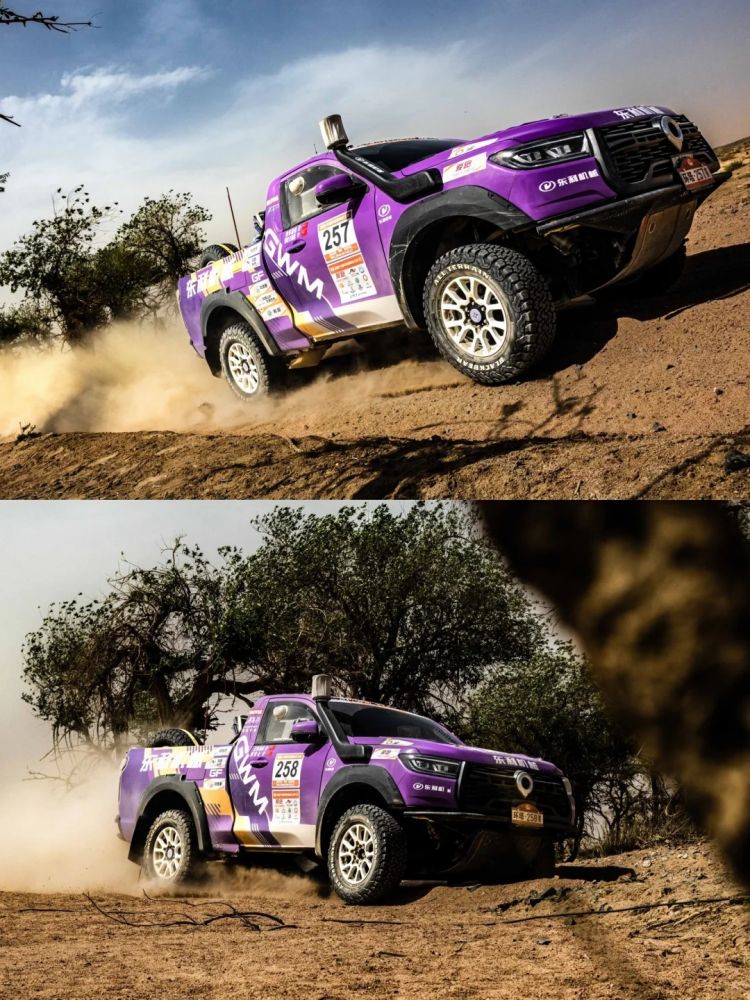
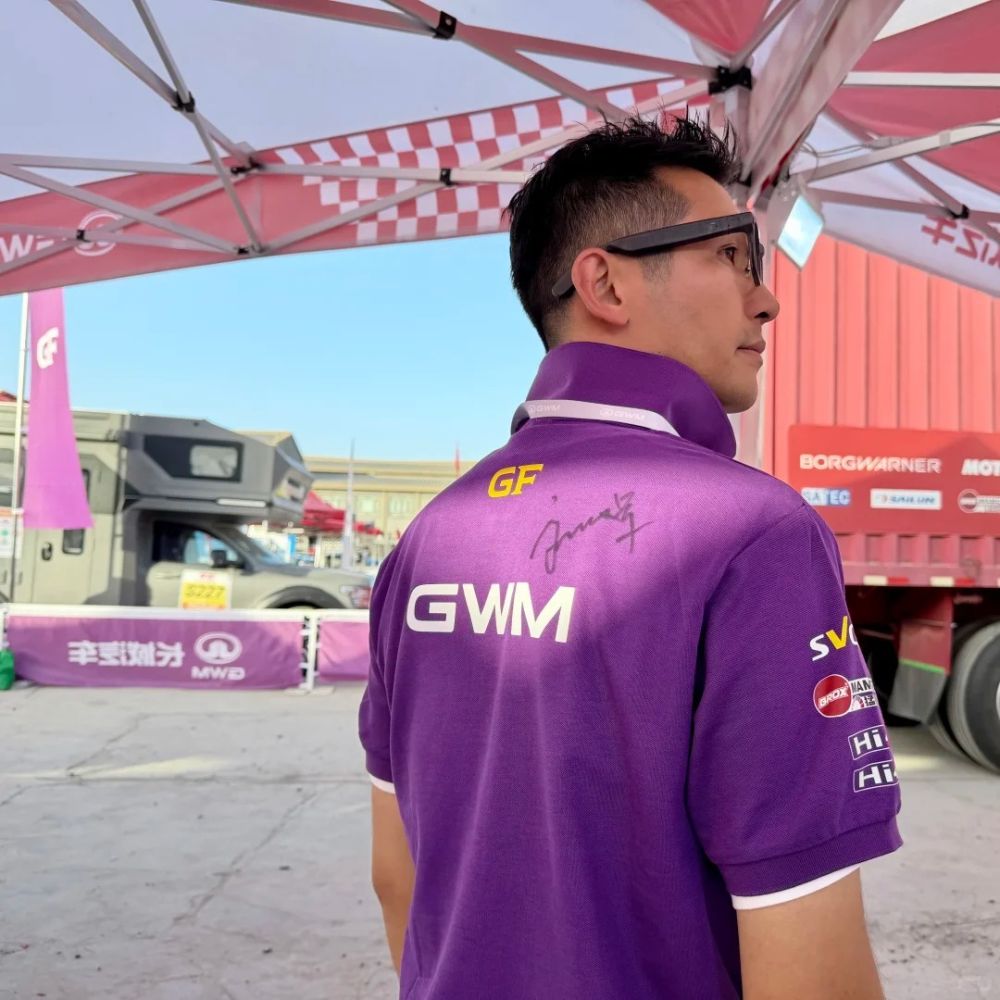
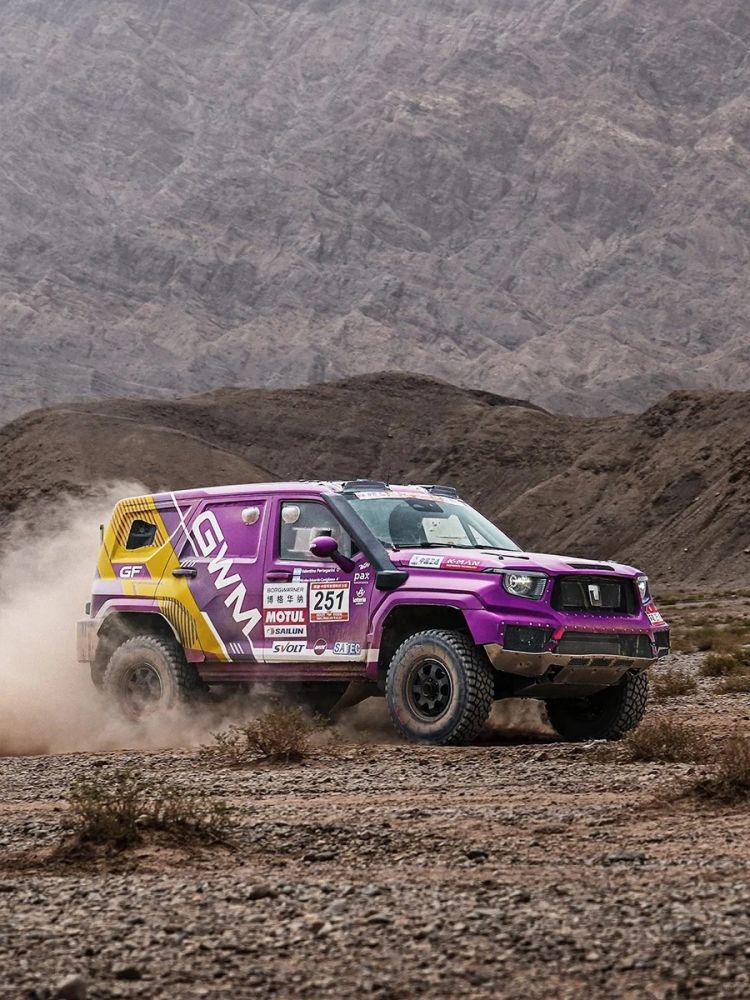
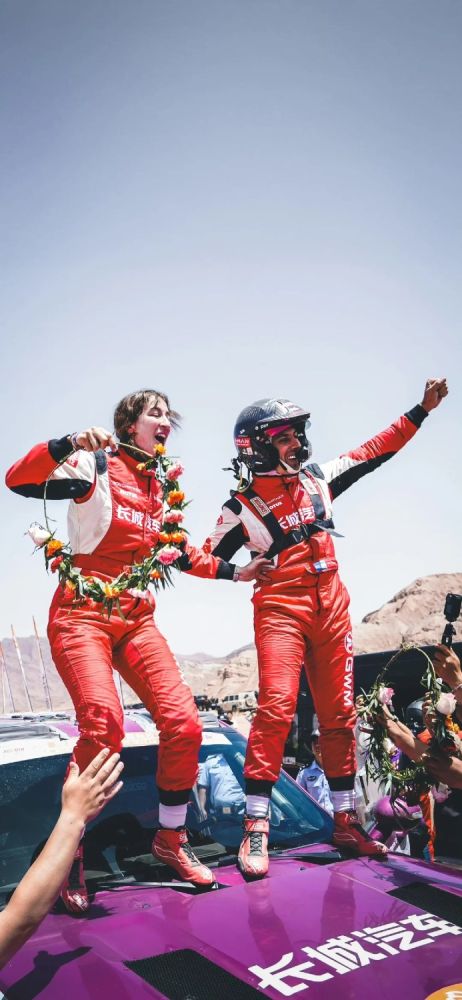
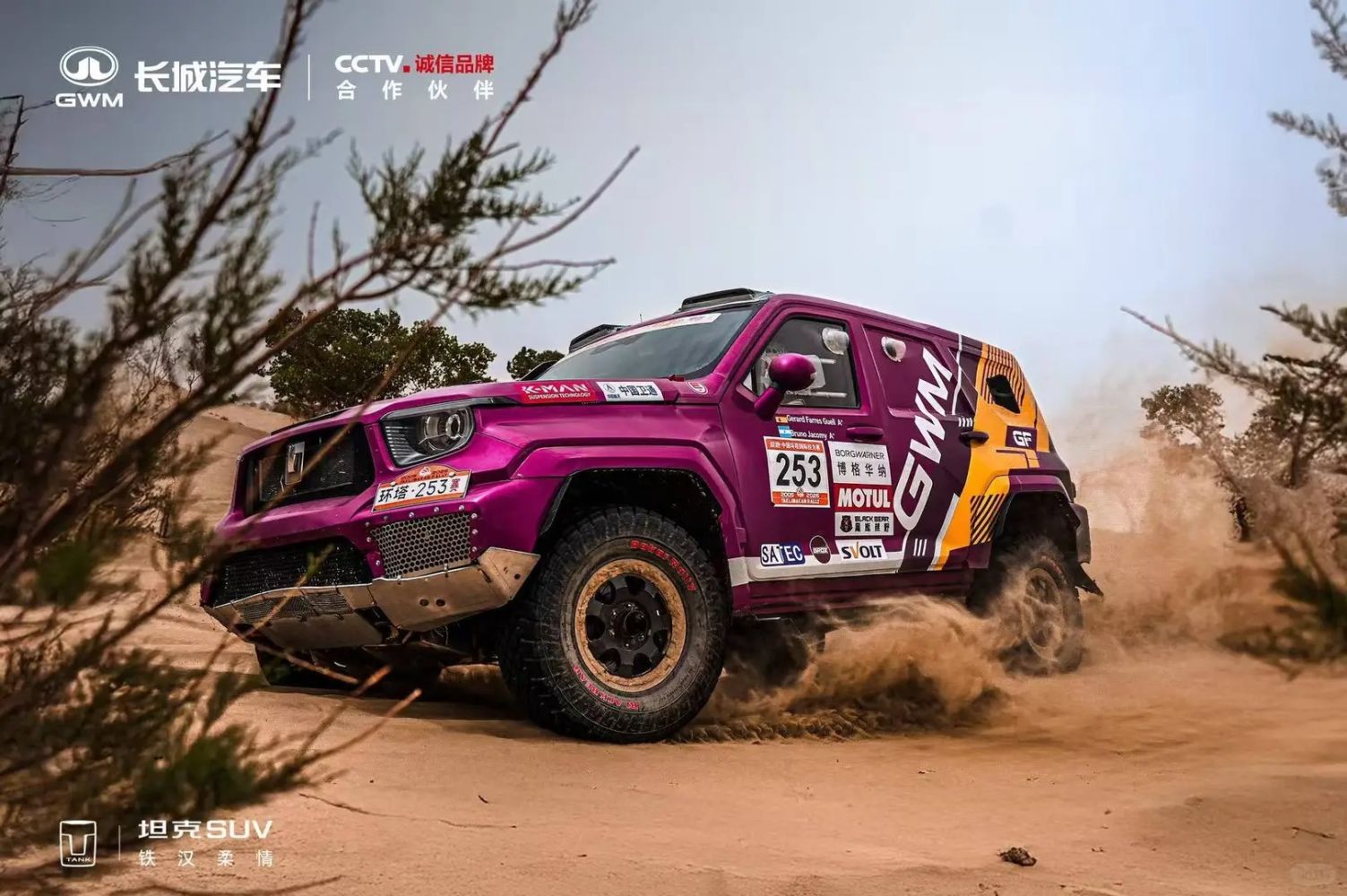
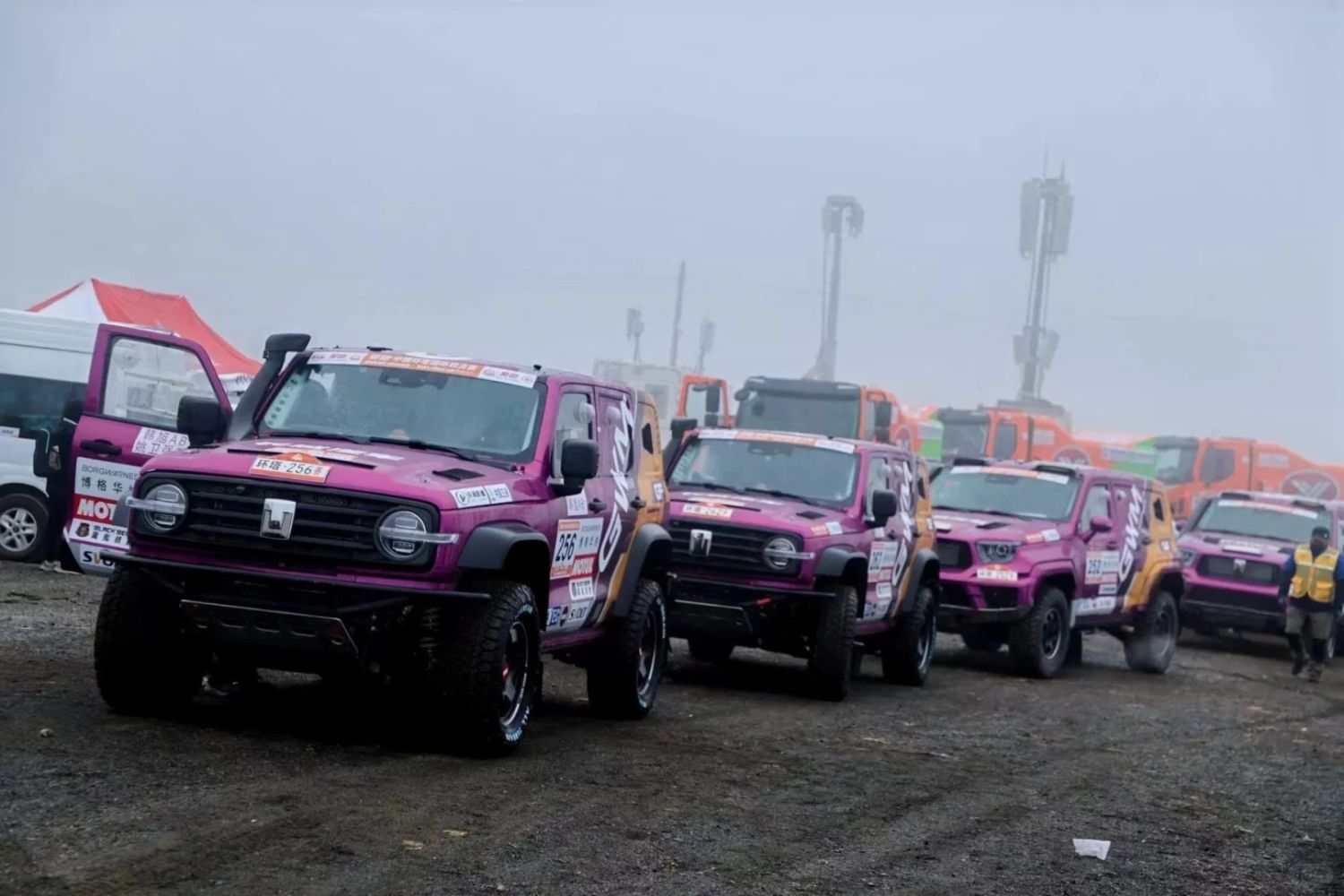


When the 2026 Taklimakan Rally concluded on June 1, GWM emerged with a clean sweep of the event’s major T2 production categories, winning the T2.E New-Energy Manufacturers’ Cup, the T2.1 Internal Combustion Manufacturers’ Cup and the T2.3 Production Club Cup.
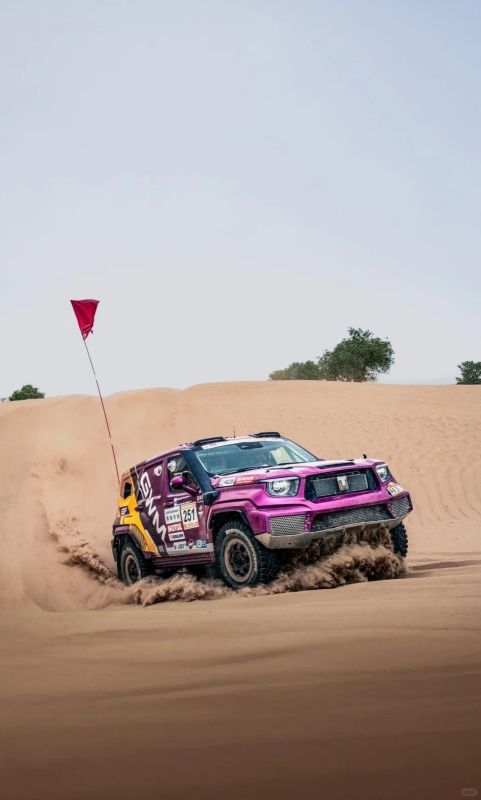
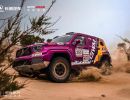
The achievement was significant not only because of the trophies, but because it highlighted how Chinese automakers are increasingly using motorsport to validate production technologies under extreme conditions. Widely regarded as China’s equivalent of the Dakar Rally, the Taklimakan Rally subjects vehicles to deep sand, extreme heat and thousands of kilometers of demanding terrain across Xinjiang.
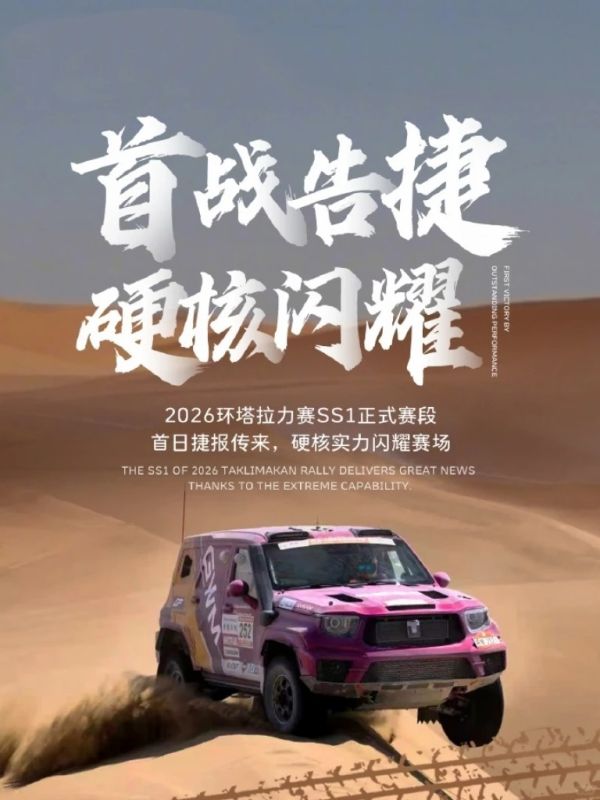
GWM’s performance stood out for its reliability. Across 13 competitive stages, the company completed the event without a single mechanical retirement. According to GWM, the rally vehicles retained the same core engine, transmission, chassis and drivetrain architecture used in production models, making the event a real-world test of vehicle durability rather than a showcase for heavily modified race cars.
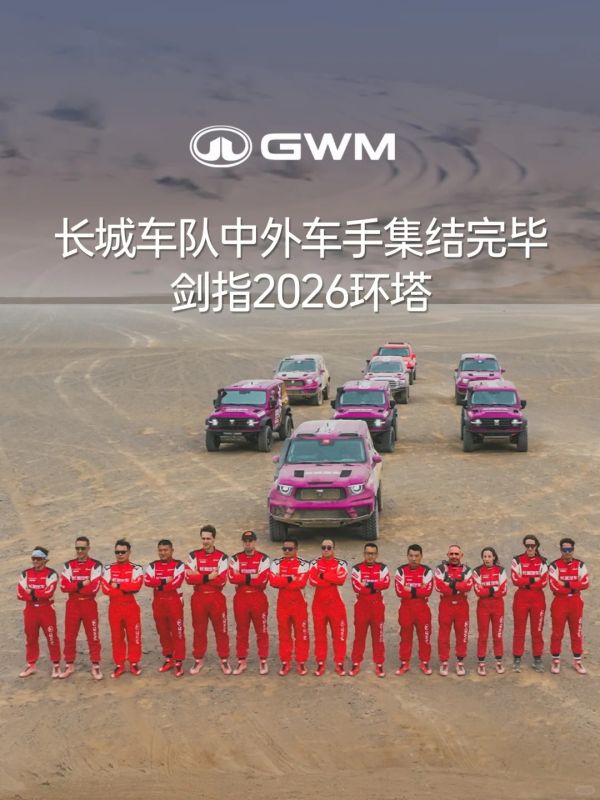
The rally also demonstrated the growing maturity of China’s off-road ecosystem. GWM worked alongside partners including K-MAN and Dongli, sharing engineering resources and technical support throughout the event. International drivers, including Dakar Rally champion Nicolas Cavigliasso and Spanish racer Pau Navarro, competed alongside leading Chinese teams, creating opportunities for technical exchange and performance benchmarking.
For Chinese automakers, events such as the Taklimakan Rally have become more than motorsport competitions. As manufacturers expand into overseas markets and target off-road vehicle segments, endurance rallies are increasingly being used to demonstrate durability, reliability and engineering capability. GWM’s success reflects a broader industry trend in which competition serves not only as a branding platform, but also as a tool for product development and technology validation.