Why Audi’s New A6L Shows Germany’s Luxury Giants Are Rethinking China

Why Audi’s New A6L Shows Germany’s Luxury Giants Are Rethinking China

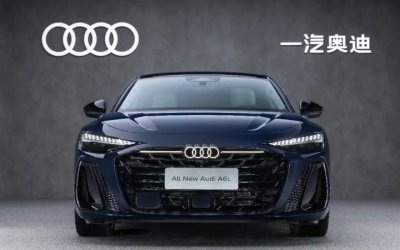
China’s luxury-car market is no longer the predictable preserve of German prestige brands. Consumer tastes are shifting, domestic electric-vehicle makers are moving upmarket and the old assumptions about badge power are being tested. For FAW-Audi, the launch of the new Audi A6L is less a routine model change than a signal that the company has begun to rethink how it competes in China.
Mercedes' EQC Battery Limits Put Its China Luxury Promise Under Strain

Mercedes' EQC Battery Limits Put Its China Luxury Promise Under Strain

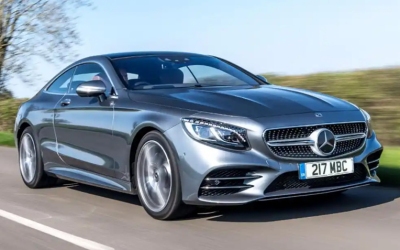
Mercedes-Benz is facing a wave of complaints in China after an official recall update allegedly reduced the usable battery capacity and driving range of some EQC electric SUVs.

Why Avatr’s Hong Kong IPO Story Is Running Ahead of Its Sales

Why Avatr’s Hong Kong IPO Story Is Running Ahead of Its Sales

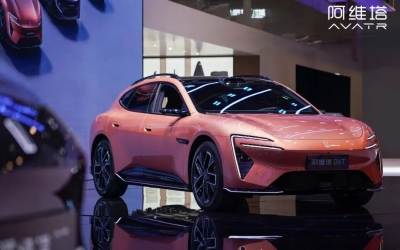
Avatr’s Hong Kong listing plan was supposed to be one of the cleaner stories in China’s crowded electric-vehicle market: a state-backed premium EV brand, supported by Changan Automobile, Huawei and CATL, seeking capital to accelerate growth. Instead, the company’s prospectus has lapsed, sales have slowed sharply, and investors are being asked to decide whether a valuation of about $3.8 billion still makes sense.

How China's Smart Chassis Race Is Changing the Rules of Car Engineering

How China's Smart Chassis Race Is Changing the Rules of Car Engineering

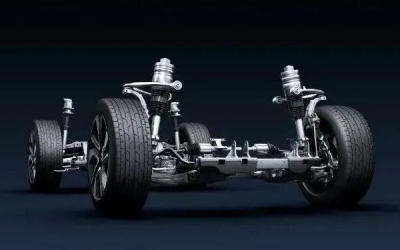
BYD has shown a vehicle driving on three wheels. Nio has made a car appear to dance. Behind these attention-grabbing demonstrations lies a deeper shift in automotive engineering: the rapid rise of the intelligent chassis, a technology built around digital control rather than purely mechanical tuning.

Sell Cars or Put Down Roots? Dongfeng, BYD and Geely Escalate Their European Battle

Sell Cars or Put Down Roots? Dongfeng, BYD and Geely Escalate Their European Battle

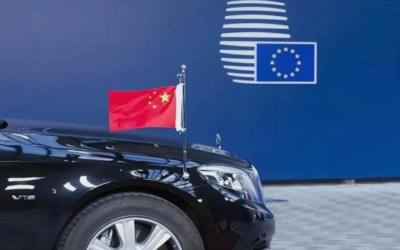
Europe has rapidly become the newest battleground for Chinese carmakers seeking growth overseas. As competition intensifies, the continent’s demanding regulatory standards and mature automotive ecosystem have turned it into a key testing ground for Chinese brands looking to move upmarket and expand globally.

New-energy penetration hits 61.4%: can petrol cars recover after a price collapse?

New-energy penetration hits 61.4%: can petrol cars recover after a price collapse?

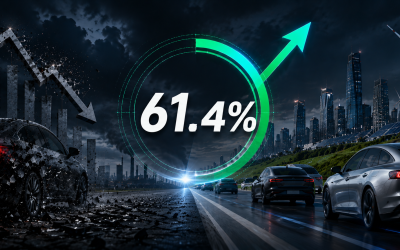
Petrol-car sales slumped in April, in sharp contrast with a new-energy vehicle penetration rate of 61.4%. Petrol cars are unlikely to disappear from history in the near term. But in 2026, an accelerated reshaping of the industry now looks unavoidable.

Image
©2026 AutoNewGen.com All Rights Reserved.